Frequently Asked Questions
We believe customers should know where their food comes from and how it is produced. Below are answers to some of our most common questions about our farm, products, and pickup process.

What is A2/A2 milk?
A2/A2 refers to a specific beta-casein protein naturally found in some dairy cows. Many people report that A2 milk is easier to digest compared to conventional milk.
Much of our Jersey herd carries A2/A2 genetics.
Is your milk grass-fed?
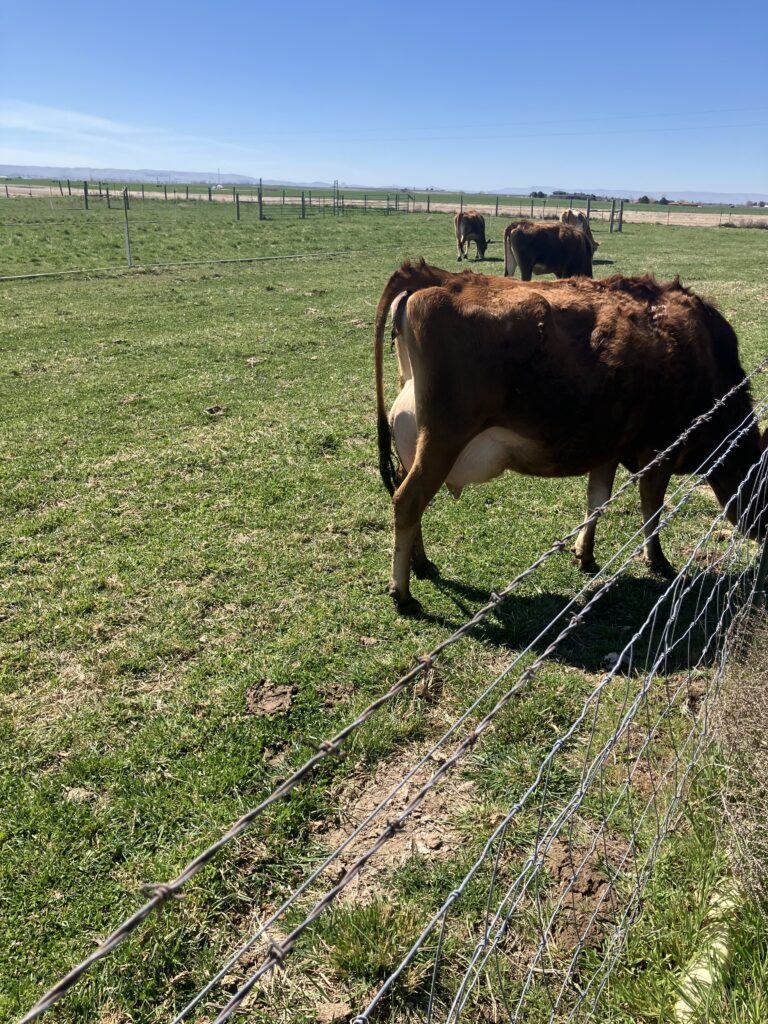
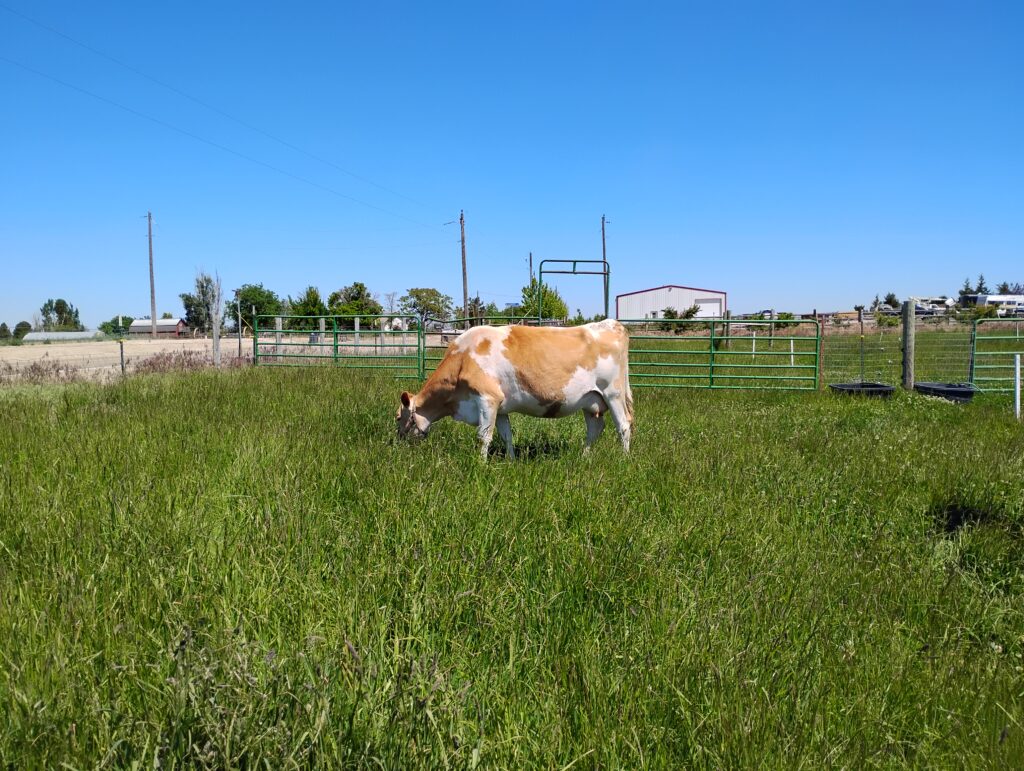
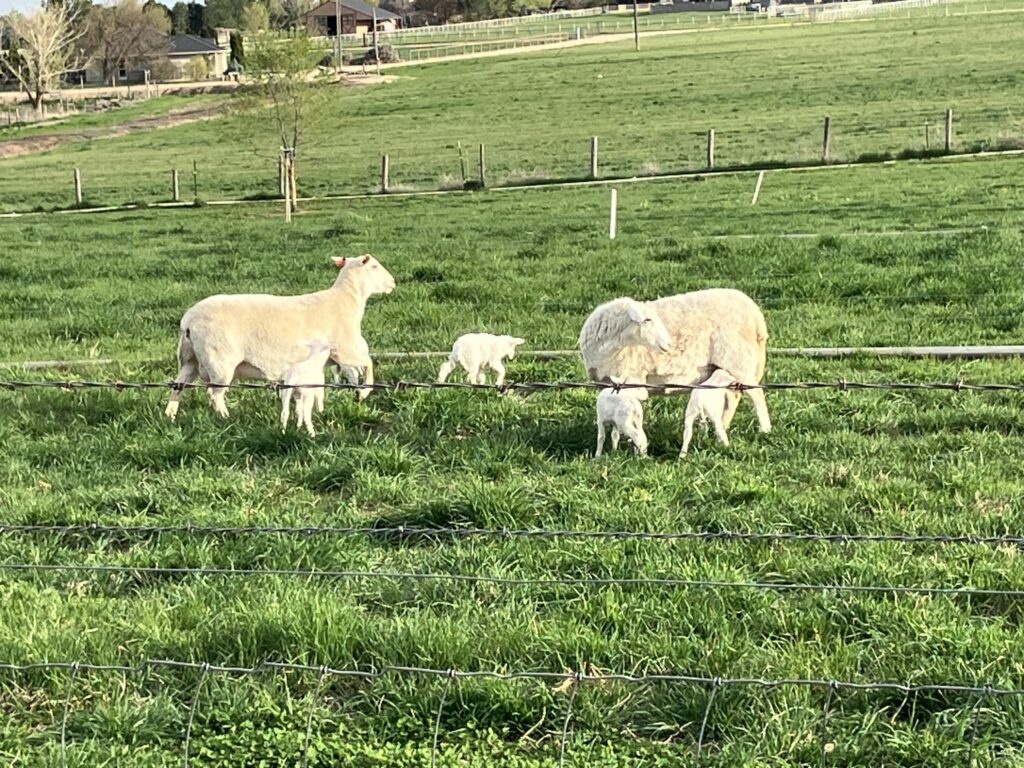
Our cows are pasture-focused and rotationally grazed whenever seasonal conditions allow. We prioritize healthy forage, clean water, and low-stress livestock management practices.
What does cream-top mean?
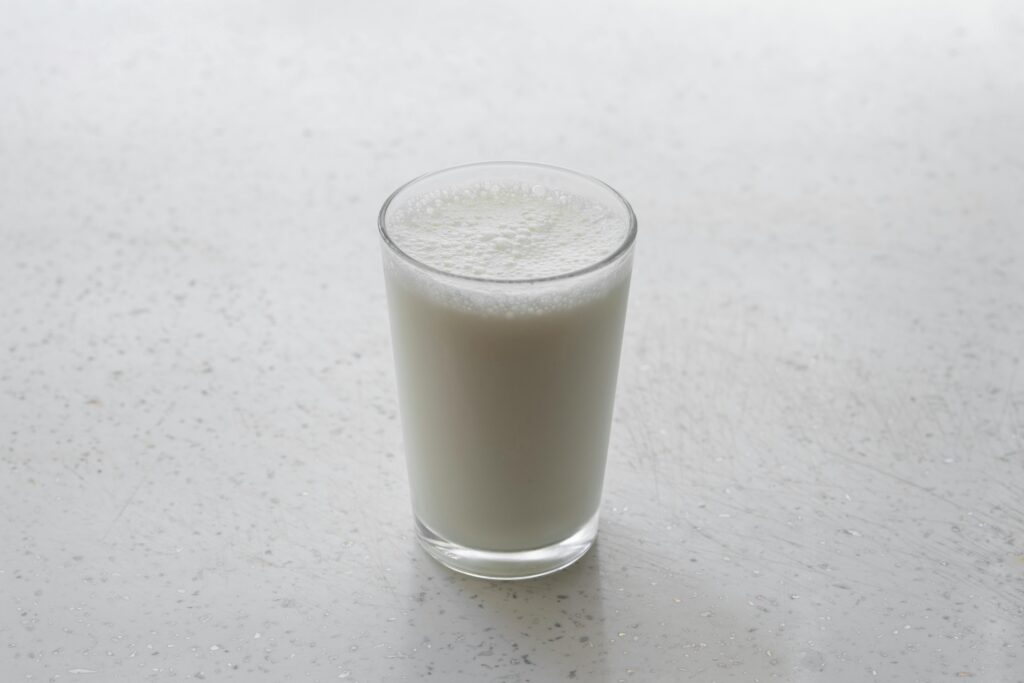
Our milk is non-homogenized, which means the cream naturally rises to the top of the jar over time. This is a traditional characteristic of real Jersey milk and reflects minimal processing.
Simply shake the jar gently before serving if you prefer the cream mixed throughout the milk.
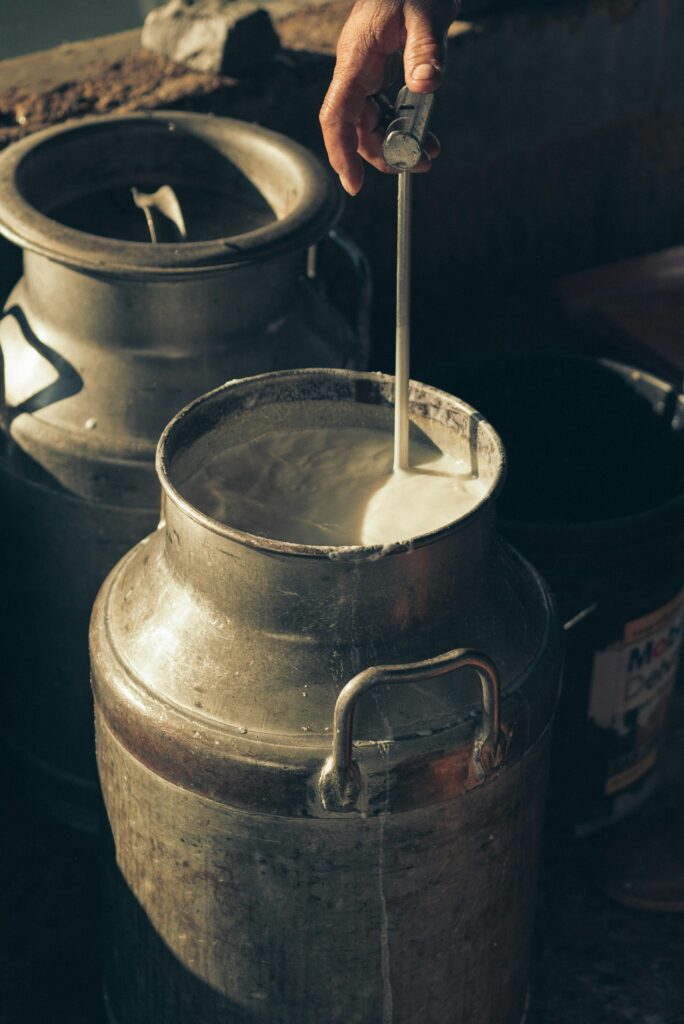
Is the milk tested?
Yes. Loreto Farm maintains milk testing and retention sampling procedures as part of our food safety and sanitation systems.
We prioritize:
• clean milking procedures
• rapid cooling
• sanitation consistency
• livestock health monitoring
• structured operational practices
We believe trust is built through transparency, cleanliness, and consistency.

How should raw milk be stored?
Raw milk should be refrigerated immediately after pickup and kept consistently cold.
For best quality:
• keep milk refrigerated below 40°F
• avoid leaving milk unrefrigerated for extended periods
• keep containers sealed when not in use
• shake gently before serving if cream separation occurs
Because raw milk is minimally processed, proper refrigeration is very important for freshness and quality.
How does pickup work?
Because Loreto Farm operates as a small working farm, many products are available through scheduled pickup arrangements.
Please contact us regarding:
• current product availability
• pickup scheduling
• seasonal harvest timing
• special requests
Availability may vary based on production schedules and seasonal conditions.
Why Jersey/Guernsey cows?
We chose Jersey and Guernsey cows because they produce exceptionally rich milk with naturally higher butterfat and protein content compared to many commercial dairy breeds.
Jersey and Guernsey milk is known for:
• rich cream content
• naturally golden color
• excellent flavor
• cream-top characteristics
• exceptional yogurt and dairy qualities
Much of our herd also carries A2/A2 genetics.
Do you use antibiotics?
Animal health and welfare always come first.
When medically necessary, animals may receive treatment under appropriate guidance. Any milk or meat withdrawal periods are strictly followed according to food safety requirements.
We prioritize preventive health practices, clean environments, rotational grazing, and careful animal management whenever possible.
What fruit is seasonal?
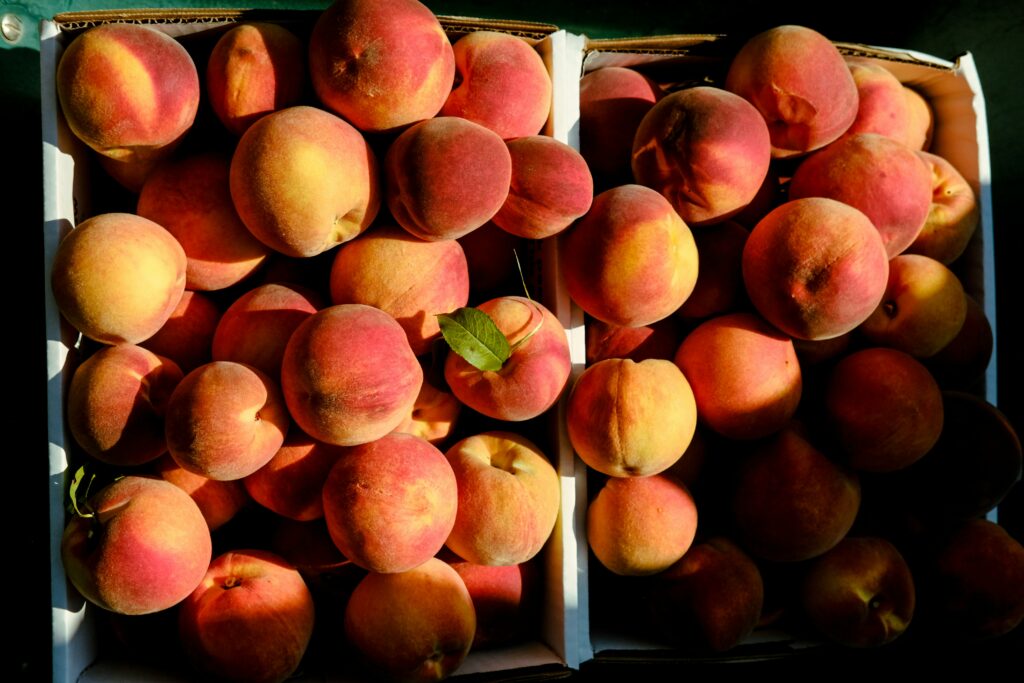
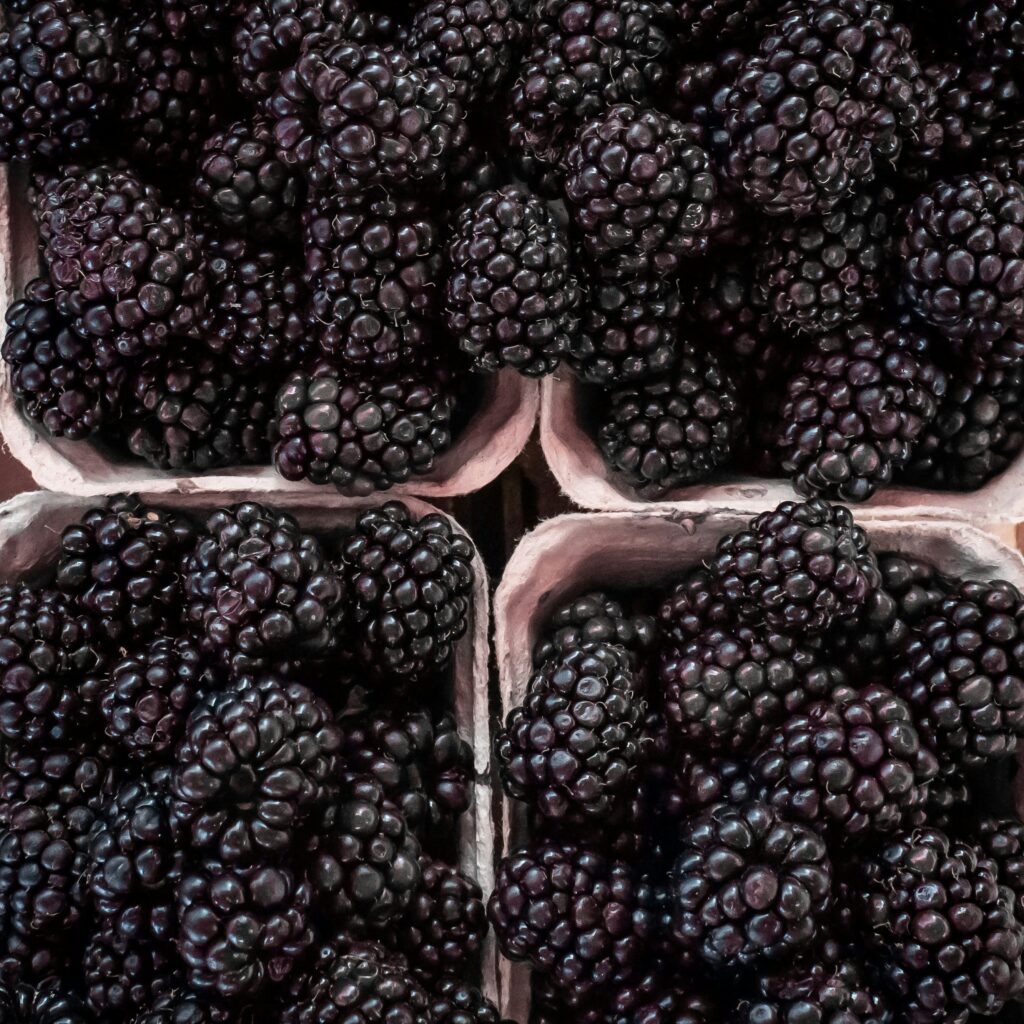
Loreto Farm grows a variety of seasonal Idaho fruit typically pretty steady between Late June and September.
• peaches
• apricots
• plums
• nectarines
• nectaplums
• apples
• blackberries
Harvest timing varies depending on weather and growing conditions each year.
What is rotational grazing?
Rotational grazing is a pasture management practice where livestock are moved between grazing areas to allow pasture recovery and improve forage health.
This approach helps support:
• healthier pasture systems
• improved soil health
• cleaner grazing conditions
• reduced overgrazing
• healthier livestock environments
We believe good stewardship begins with healthy land and healthy animals.
Are products seasonal?
Yes. Many of our products naturally vary with the seasons.
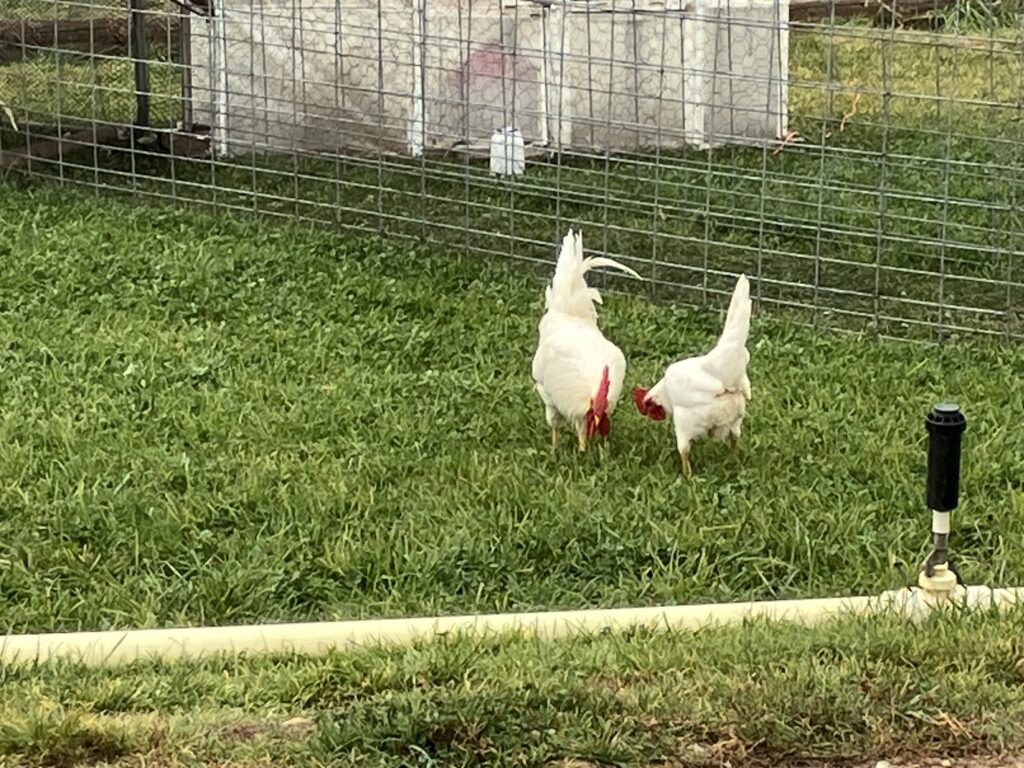
Fruit harvests, pasture conditions, milk production cycles, egg production, and specialty products may all fluctuate throughout the year as part of natural farm production systems.
We believe seasonal farming produces fresher, higher-quality food and helps support healthier land and livestock systems.
How are animals treated?
Animal welfare is extremely important to us.
We focus on:
• clean living environments
• rotational grazing
• low-stress livestock handling
• quality nutrition
• fresh water access
• regular health monitoring
• careful daily observation
We believe healthy animals produce healthier food and are an essential part of responsible farming.
How often is milk collected?
Milk is collected during daily milking schedules and rapidly cooled to help preserve freshness and quality.
Because we operate as a small-batch farm, availability may vary depending on herd production, seasonal conditions, and customer demand.
How do I reserve products?
Please click here contact us directly regarding current availability and product reservations.
Because many of our products are small-batch or seasonal, quantities may be limited during certain times of the year.
We recommend reaching out early for specialty or high-demand products.